
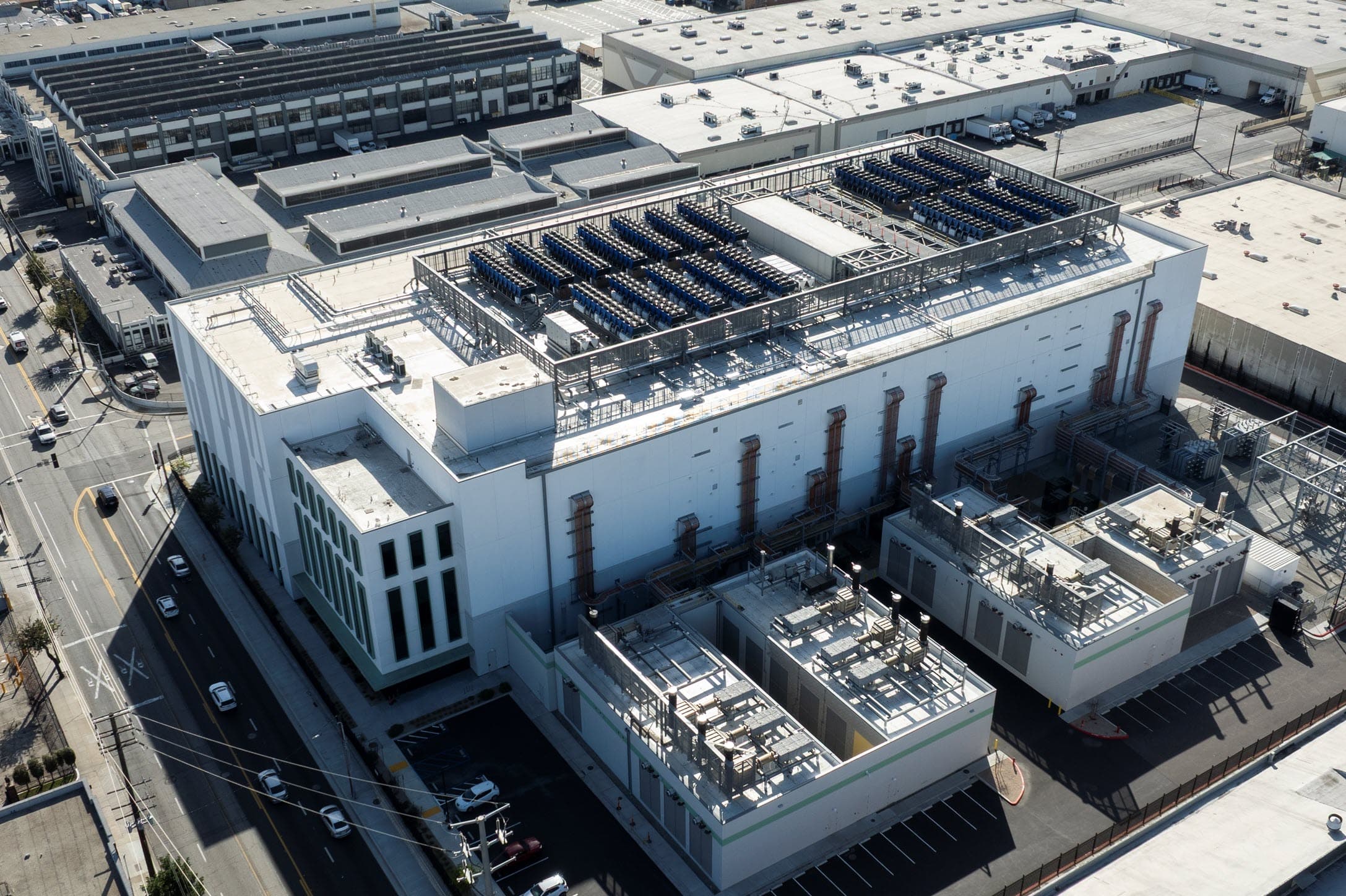
California’s demand for data centers is growing rapidly, driven in large part by artificial intelligence and cloud computing. At the same time, the facilities are drawing increased scrutiny from residents and government officials concerned about their demand for electricity and water, environmental impacts and effects on surrounding communities. Some jurisdictions are considering or imposing moratoria while they decide how data centers should be regulated.
For developers and investors, site selection and due diligence increasingly need to account for local regulatory risk along with land availability, power, water and connectivity.
No one can predict what regulations California cities and counties will adopt. But several emerging issues point to five land use challenges worth considering before committing to a project.
Many local zoning codes were written before modern data centers became a significant land use. As a result, they may not clearly define data centers or distinguish them from warehouses, manufacturing facilities, research and development uses or other industrial projects.
That ambiguity can matter. A property that appears appropriately zoned may still require interpretation by planning officials, a conditional or special use permit, rezoning or another discretionary approval. Local governments also could amend their codes to restrict data centers to certain locations or impose requirements based on a facility’s size, energy consumption or other characteristics.
San Jose, for example, currently requires Special Use Permits for data centers and is developing uniform standards for future projects. Developers should therefore look beyond the zoning designation and determine how the jurisdiction actually treats the proposed use.
Timing has always mattered in California development. For data centers, it may become even more important. Communities concerned about rapid development may turn to interim moratoria while permanent regulations are developed. The resulting delay alone can affect financing, land acquisition agreements, utility commitments and construction schedules. Several cities in California have already adopted interim bans on data centers as an urgency measure under Government Code § 65858, which allows a 45-day moratorium that can be extended for 10 months and 15 days and then for an additional year, for a potential total duration of approximately two years while the local government studies permanent regulations.
There is also the harder question of what happens to projects already in the pipeline. In San Jose, officials considering new standards have discussed evaluating projects already underway against those standards and potentially attempting to renegotiate development agreements that fall short of those new standards. Developers should understand not simply what approvals they need, but when rights become sufficiently vested to provide protection against subsequent regulatory changes.
Many of the concerns driving the data center debate are environmental: electricity and water consumption, backup generators, air quality, greenhouse gas emissions and noise. California’s environmental review process provides a natural place for those concerns to surface, as well as a litigation target for community opposition groups, environmental groups, and other project opponents. San Jose’s developing standards illustrate the potential breadth of environmental analysis and mitigation requirements. The city is examining energy sourcing, water use, air quality, backup generation, greenhouse gas emissions, noise and water quality.
Not every project will present the same impacts. Cooling technology, closed loop water systems, on-site power generation sources, backup systems, location and facility size can make significant differences. But as public scrutiny increases, developers should expect assumptions about environmental impacts to be tested more closely and should consider those issues early enough to influence site selection and project design.
A site can work from a zoning perspective and still face significant obstacles if the surrounding infrastructure cannot accommodate the project.
The most obvious concern is electricity, but water, sewer, roads and other infrastructure can also come into play. California officials are already raising questions about who should pay for infrastructure needed to serve large data centers, with Gov. Gavin Newsom arguing that those costs should not simply be shifted to utility ratepayers.
At the local level, those concerns could affect conditions of approval, infrastructure improvements, phasing requirements and development agreements. Developers may need to determine much earlier what infrastructure a project requires, who controls it, how long improvements will take and who will pay for them.
Perhaps the least predictable issue is what communities will expect in return for accepting large data center projects. Public opposition can translate into demands for additional mitigation, design changes and community benefits. San José is already evaluating options that could include public-space improvements, clean-energy programs, local hiring and workforce development, affordable housing and investment of some data-center-generated tax revenue in surrounding areas.
Those concepts may or may not become requirements but they demonstrate how the entitlement conversation can expand beyond whether a proposed use technically complies with existing zoning.
California needs digital infrastructure, but local governments are under growing pressure to address its impacts or impose outright bans. The result is likely to be an evolving and uneven regulatory landscape rather than a single set of rules applicable throughout the state.
For developers and investors considering a California data center project, early land use diligence can help identify these risks while there is still time to address them. Experienced land use counsel can assess the local code and approval process, evaluate infrastructure and community concerns, and help develop an entitlement strategy before significant commitments are made.

Jim focuses on real estate, land use and litigation. He represents large companies and high net worth individuals with complex real estate development projects, including due diligence investigations, land acquisitions and dispositions, entitlements, annexations, development agreements, and other public agency infrastructure/service agreements, as well as agreements with Native American Indian tribes. Jim also has extensive experience in all facets of real estate litigation, including CEQA lawsuits, land use and zoning litigation, quiet title actions, contract disputes, easement litigation, nuisance actions, and landlord-tenant disputes. He has successfully litigated, arbitrated and mediated all types of business controversies, including corporation and partnership management disputes and dissolution actions, as well as unfair competition, trade secret, fraud, defamation, breach of contract and declaratory relief claims. He leads Procopio’s Land Use practice group.
Jim focuses on real estate, land use and litigation. He represents large companies and high net worth individuals with complex real estate development projects, including due diligence investigations, land acquisitions and dispositions, entitlements, annexations, development agreements, and other public agency infrastructure/service agreements, as well as agreements with Native American Indian tribes. Jim also has extensive experience in all facets of real estate litigation, including CEQA lawsuits, land use and zoning litigation, quiet title actions, contract disputes, easement litigation, nuisance actions, and landlord-tenant disputes. He has successfully litigated, arbitrated and mediated all types of business controversies, including corporation and partnership management disputes and dissolution actions, as well as unfair competition, trade secret, fraud, defamation, breach of contract and declaratory relief claims. He leads Procopio’s Land Use practice group.
Patrick Ross, Senior Manager of Marketing & Communications
EmailP: 619.906.5740
Suzie Jayyusi, Senior Marketing Coordinator Events Planner
EmailP: 619.525.3818
Francisco Sanchez Losada, Marketing and Client Relations Manager
EmailP: 619.515.3225
Sanae Trotter, Senior Manager for Client Relations
EmailP: 650.645.9015